
Published May 7, 2024
The Heat Pump Revolution: Efficiency, Functionality, and Sustainability

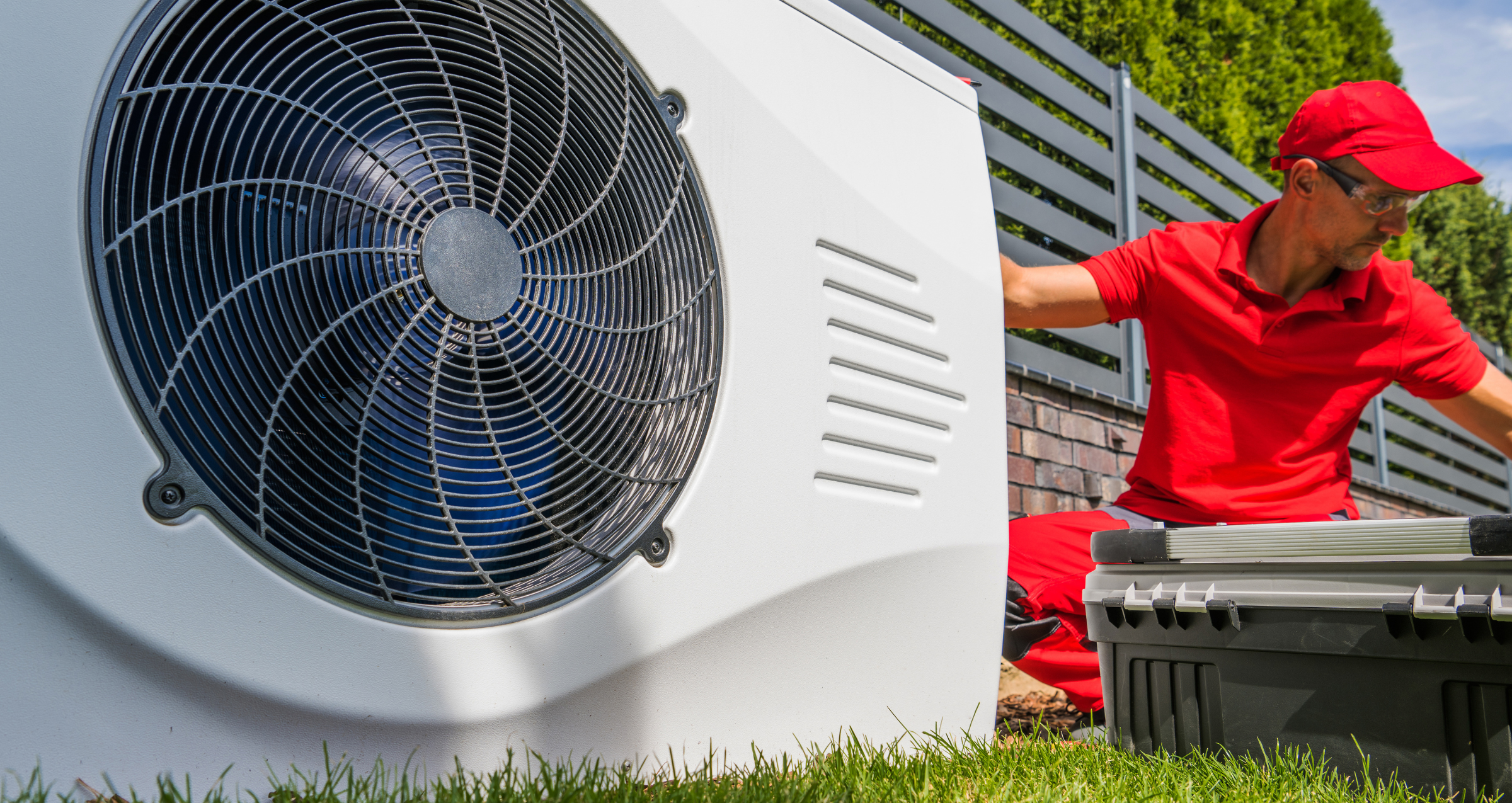
In recent years, heat pumps have emerged as a sustainable heating and cooling solution, gaining popularity for their efficiency and versatility. Unlike traditional HVAC systems, heat pumps transfer heat rather than generate it, making them more energy-efficient and environmentally friendly.
Heat pumps operate on the principle of heat transfer through a refrigeration cycle. They come in various types, including air-source, ground-source, and water-source variants. Each type is suited to different environmental conditions and applications, offering flexibility in installation and operation.
Heat pumps boast high efficiency ratings, measured by metrics such as SEER, HSPF, COP, and EER. They have a lower carbon footprint compared to conventional heating systems, contributing to sustainability efforts. Additionally, they provide long-term energy savings, reducing utility costs for homeowners.
One of the key advantages of heat pumps is their dual functionality. They can provide both heating and cooling, making them suitable for year-round use. In colder months, heat pumps extract heat from the outdoor air or ground and transfer it indoors to warm the space. In warmer months, they reverse the process to cool indoor spaces.
While heat pumps offer numerous benefits, including energy efficiency, durability, and quiet operation, they also have drawbacks. Upfront costs can be higher compared to traditional HVAC systems, and they may not perform optimally in extremely cold climates. However, for many homeowners, the long-term energy savings outweigh these initial investments.
Residents of Minnesota can take advantage of the Residential Heat Pump Rebate Program to offset the cost of installing heat pumps. Programs such as the Minnesota Energy Assistance Program (EAP) and the Clean Energy Resource Teams (CERTs) provide financial assistance and resources for energy-efficient home upgrades. Additionally, federal tax credits and utility rebates may be available to further reduce the upfront expenses associated with heat pump systems.
In conclusion, heat pumps represent a significant advancement in HVAC technology, offering efficient and sustainable heating and cooling solutions. With their dual functionality, environmental benefits, and financial incentives available in Minnesota, they are poised to play a crucial role in shaping the future of home comfort and energy efficiency.