
Published May 1, 2024
Cultivating a Buzz Worthy Pollinator Yard

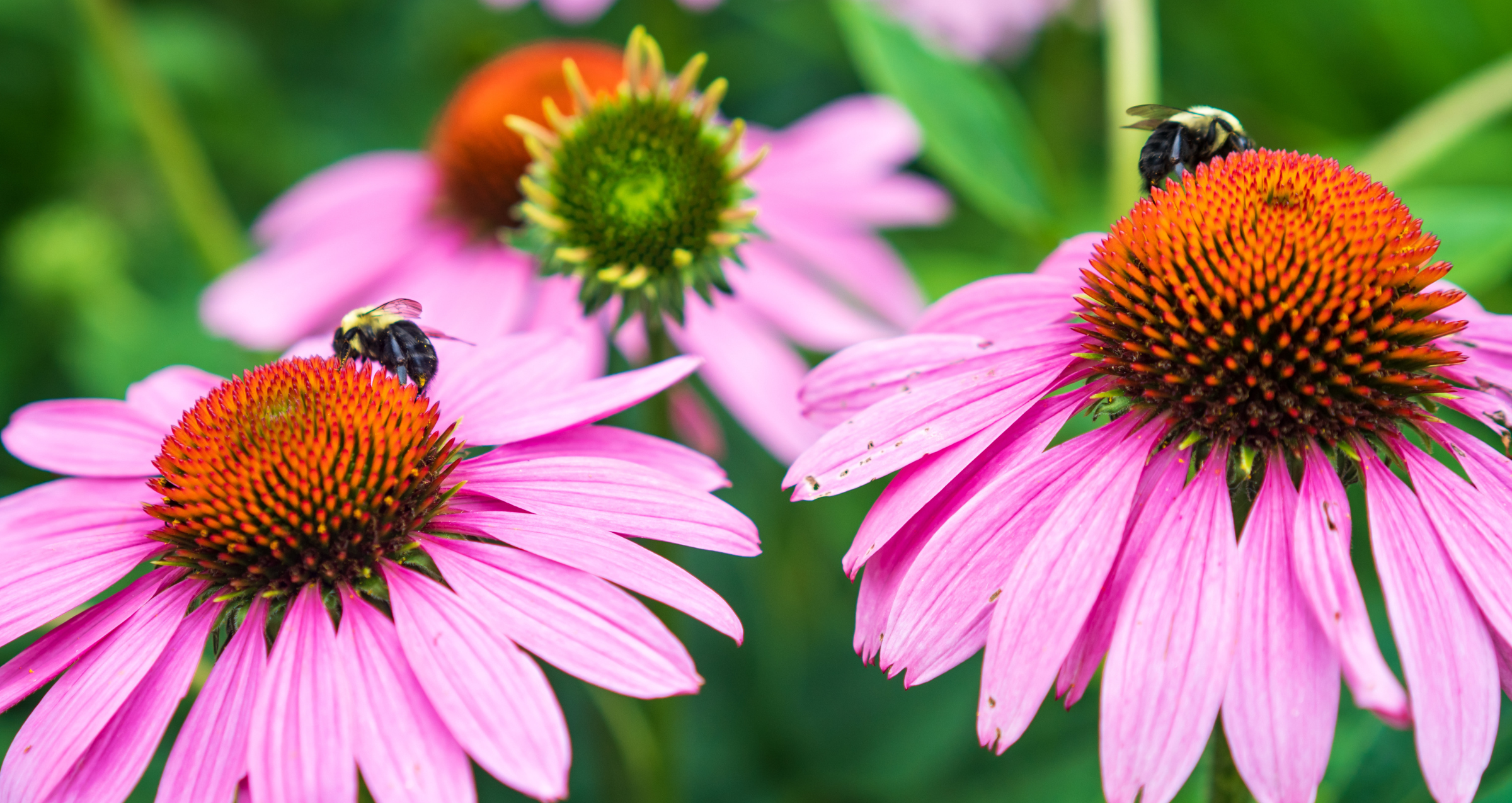
Pollinators - bees, bats, butterflies, moths, flies, and more - are experiencing declining populations due to habitat loss, pesticide use, and parasitic mites. These essential creatures play vital roles, pollinating one-third of our food supply!
Why does this matter to homeowners? You are in a unique position to introduce flowers and other plants into your lawn that can assist bees and other pollinators. This same vegetation can increase the resilience of your yard and enhance soil health.
Pollinator populations are declining due to habitat loss, pesticide use, and parasitic mites. They play crucial roles in our ecosystems, pollinating one-third of the food on our plates! Introducing flowers into a lawn not only aids bees and other pollinators but also enhances yard resilience by promoting deeper roots, improving soil health, and reducing the need for fertilization.
Creating a pollinator-friendly yard might seem daunting, but numerous online resources can guide you. Additionally, we’ve rounded up a few tips below! For more information, check out the U of M Extension or the Minnesota Board of Water and Soil Resources.
Before you begin this project, keep in mind that your yard will appear "messier" than you're accustomed to - and that's a good thing! Perfect lawns are passé, while helpful, blooming, messy lawns are in!
A few plants that you can easily incorporate into your already established lawn are Dutch white clover, self-heal, and creeping thyme. Each of these has the right type of flowers for bees. White clover, especially, is excellent for a bee lawn - it can tolerate some shade as well as different soil types. You can simply overseed your lawn with any of these options by spreading seeds over your already-established grass. The best time to plant is after the risk of frost is over, typically mid-May through early June in Minnesota.
Another option is planting pollinator-friendly flowers in a portion of your yard or in pots. A few native MN plants to consider are Virginia Bluebells, Red Columbine, Wild White Indigo, and Beardtongues. Planting these in pots or delineating part of your lawn with rocks, a small wall, or planting in a raised bed can help prevent your yard from appearing too messy, all while adding color and aiding the bees!
Perhaps the most enjoyable aspect of a pollinator yard is observing the bees and their pollinator friends visit! Just remember to wear shoes in your yard, as most bees are docile and won't bother you if you don't bother them.